Start with the water you actually need
Before you think about depth, write down what the water will be used for. Garden irrigation, toilet flushing and supplying an entire home create very different demands. Include the number of occupants, any commercial activities and the times when demand is highest. This gives your installer a useful starting point for the source, pump and storage design.
Understand what a survey can tell you
A geological or geophysical survey helps interpret the ground and identify promising drilling positions. It is a way to reduce uncertainty, not a promise that a particular position will produce water. Ask what the survey covers and how the results inform the proposed drilling plan. Nearby boreholes can provide context, but they do not prove what will be found on your property.
Make room for the equipment
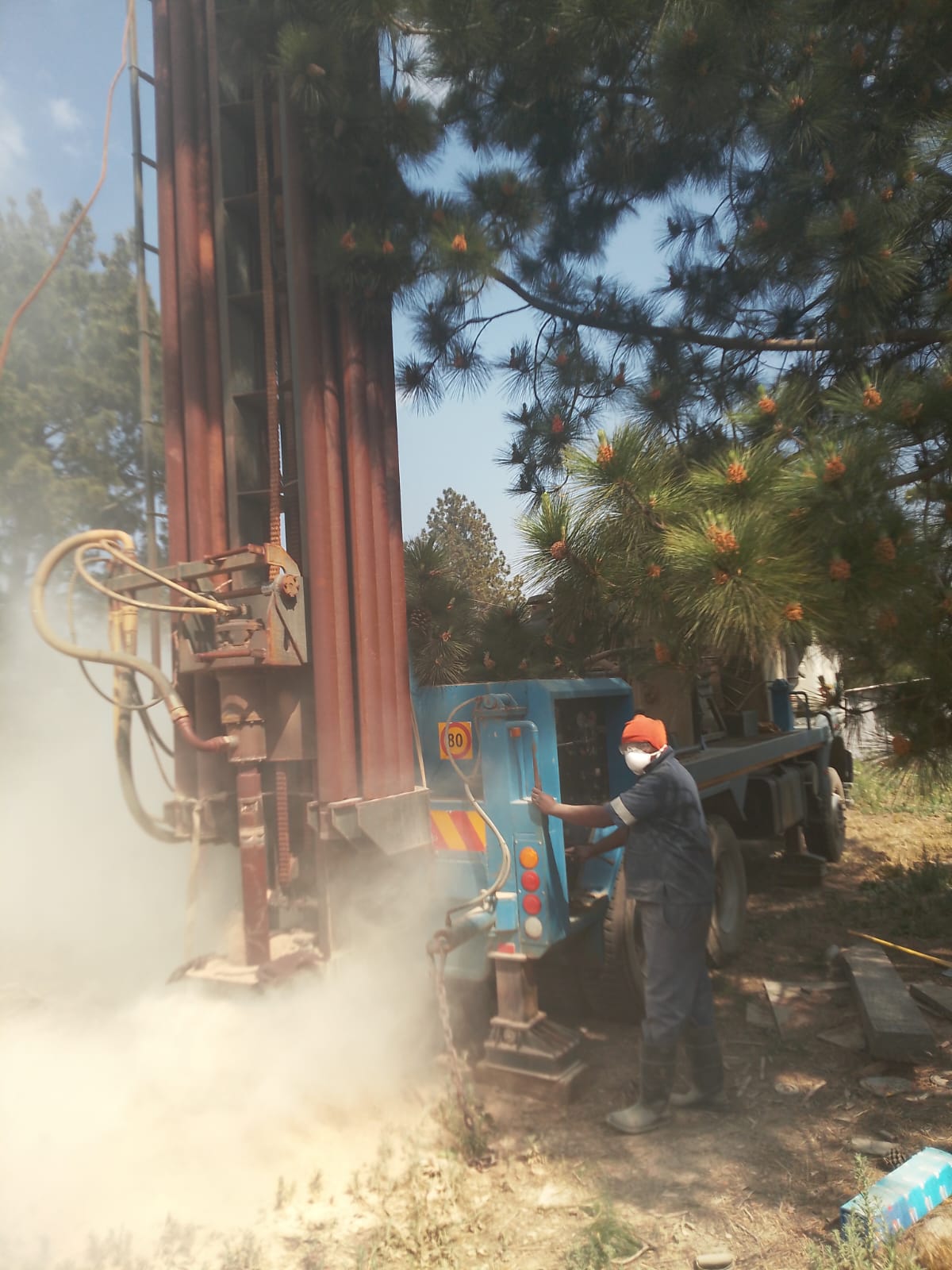
A drilling rig needs suitable access and working space. Gate width, overhead obstructions, steep driveways and buried services can influence the plan. Share photographs and access details early. Also discuss how drilling material and water will be managed, what protection is needed for the surrounding area and what reinstatement is included.
Let testing guide the next step
Finding water is a milestone, but yield testing helps establish how the borehole should be operated. Pump selection should follow that information rather than an assumption about output. Water quality is a separate question. If water is intended for drinking, arrange suitable laboratory testing and select treatment based on the results. Clear-looking groundwater is not proof of drinking-water quality.
Compare a complete scope
When reviewing a proposal, distinguish drilling from casing, testing, pumping, storage, electrical work and treatment. A lower initial figure may cover fewer stages. Ask what happens if conditions change during drilling and how additional work will be agreed. McFranc can help assess your site and explain the components of a practical borehole project.