Separate essential use from everyday use
Start by deciding what you need to keep running during an interruption. Drinking-water provision, toilets and basic washing may take priority over irrigation or a pool top-up. A backup system designed for essentials can look very different from one intended to support normal household habits. Write down your priorities before comparing tank sizes.
Use a simple planning calculation
As an initial estimate, multiply your measured or estimated essential daily demand by the number of days you want to cover. For example, an assumed essential demand of 500 litres per day over two days suggests 1,000 litres before allowing for operating limits and a reserve. This is an illustration, not a household recommendation: actual use and usable tank volume vary.
Check the space around the tank
A tank needs an appropriate foundation and access for installation and maintenance. Measure more than the footprint. Think about delivery access, height, pipe routes, pump location and how the installation affects movement around the property. A site visit is useful for confirming constraints that are easy to miss in a product photograph.
Plan how water reaches the taps
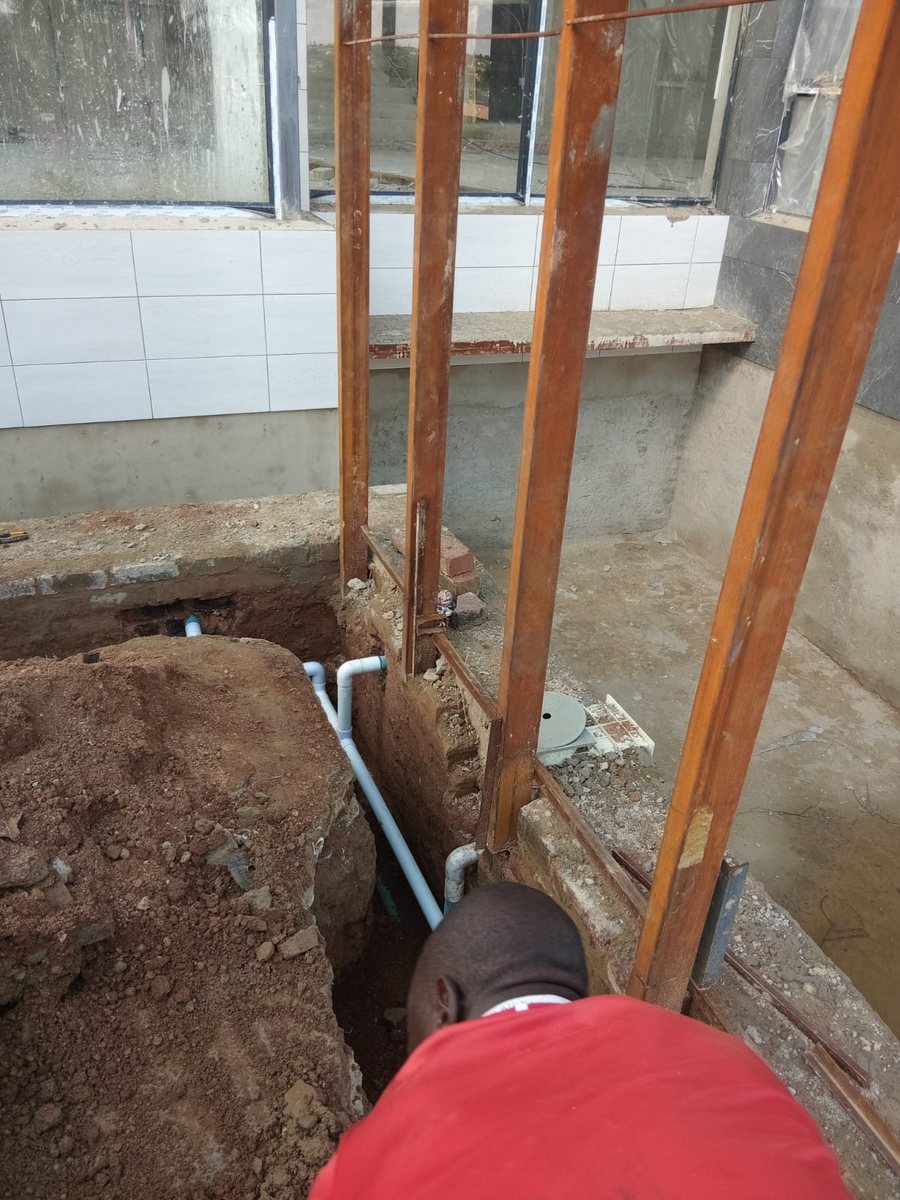
Stored water still needs a suitable distribution arrangement. The pump, controls and pipework should suit the required flow and pressure. If power is unavailable, an electrically driven pump may not operate unless the design includes a compatible alternative supply. Tell the installer which taps or areas must remain supported.
Include maintenance in the decision
Ask how the tank will be inspected, cleaned and kept in service. Safe separation of water sources and suitable backflow arrangements need professional attention. If drinking-water use is intended, discuss water quality and any treatment requirements. A useful backup system is one you understand and can maintain, not simply the largest tank that fits.