Watch for a change in the normal pattern
An unexplained increase in water use, a damp patch that keeps returning or the sound of running water can be clues. None of these proves a concealed pipe leak on its own. Irrigation schedules, running toilets and changes in occupancy can also affect usage. Compare the symptoms with what has recently changed at the property.
Check the obvious fixtures
Look for dripping taps, water around exposed connections and toilets that continue filling after use. Check accessible areas without removing finishes or touching electrical equipment. A slow cistern leak can be easy to overlook because the water drains into the bowl. Note what you find so the plumber can start with useful information.
Record when the symptoms occur
Write down whether the problem is constant, follows appliance use or appears only after rain. Photographs of damp areas taken over time can help show a pattern. If you know where the main shut-off valve is, make sure it is accessible. Do not force a seized valve or disturb pipework that appears damaged.
Act promptly when water is escaping
If a pipe has burst and you can safely isolate the water, do so while arranging help. Keep clear of water near electrical fittings. An urgent fault may need an immediate make-safe repair before a full assessment of concealed damage or reinstatement can take place. Explain the severity and your location when calling.
Ask how the repair will be checked
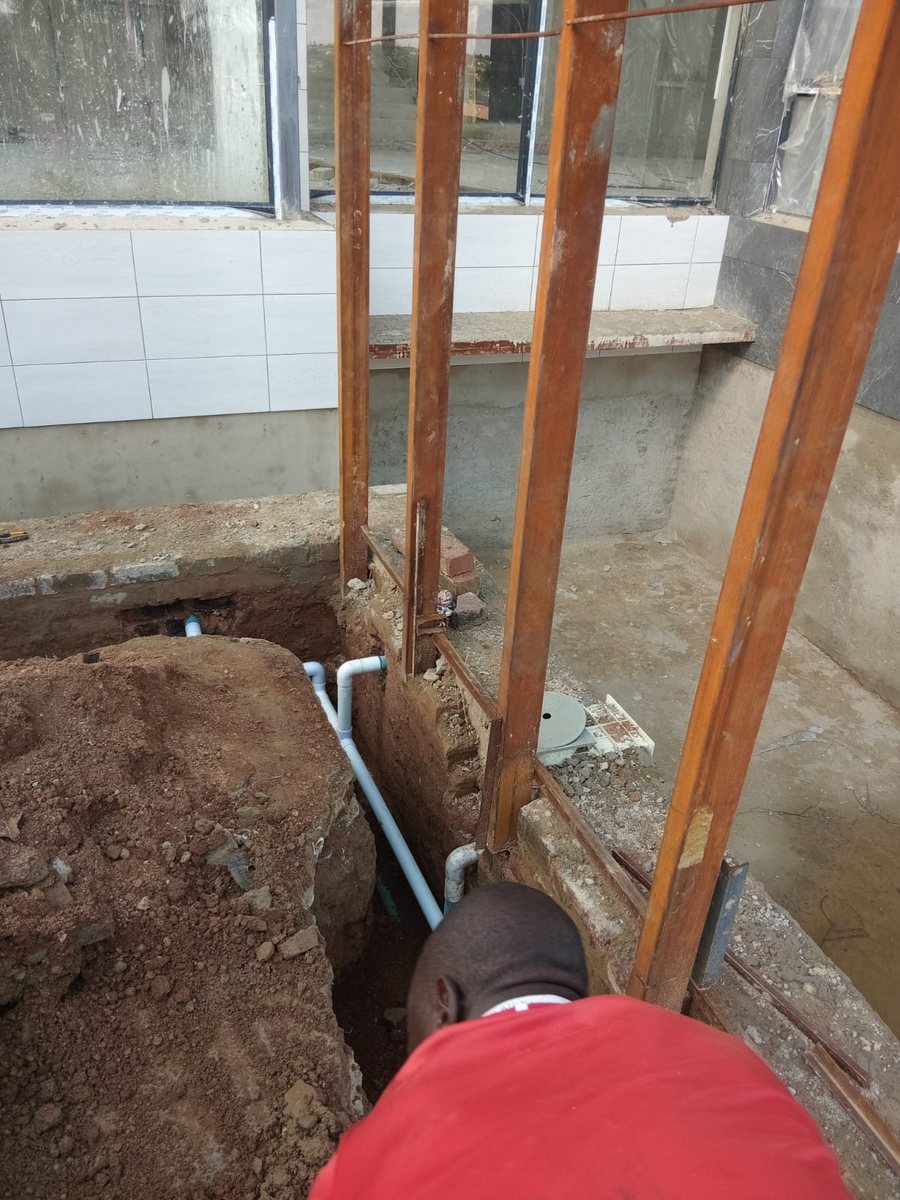
Finding a likely leak and confirming the repair are separate steps. Discuss access, the proposed repair and how the affected system will be checked afterwards. If a wall or floor needs opening, confirm what reinstatement is included. Keep a record of the repair and continue monitoring any previously affected areas.